BLACK OREGON LAND TRUST
BOLT is committed to eliminating the systemic barriers that continue to prevent Black communities from securely accessing land, because we believe that land sovereignty is the key to achieving our visions of food justice, generational wealth and health, cultural preservation, and thriving communities.
OUR MISSION
We ensure that Black communities have secure and affordable land access, protected ecosystems, and earth stewardship skills to create thriving futures through unprecedented change.
We come from a long lineage of communal land tending: the first Community Land Trust was established in 1969 by Black sharecroppers in Georgia, to secure access to agricultural land and economic opportunities for Black farmers. This trust, called New Communities, as well as contemporary Black farm communities like Soul Fire Farm inspire our work. Through BOLT, we honor of the resilience and strength of our ancestors who persevered and held onto their agricultural roots.
OUR LINEAGE
In 2020, during a time when the world felt like it was unraveling, a group of Black mothers began asking a simple but radical question:
What would it take for our children to grow up free on the land?
The pandemic had exposed the fragility of the systems many of us relied on. Food systems breaking down, supply chains faltering, communities isolated, and long-standing inequities becoming impossible to ignore. At the same time, many of us felt a deeper calling emerging. We could see clearly that land held something essential: food security, healing, cultural memory, and the possibility of a different future.
We gathered not just as organizers and farmers, but as mothers imagining the world our children would inherit. We began envisioning landscapes where Black families could plant roots, grow food, steward ecosystems, and rebuild relationships with land that had long been denied to us.
From these conversations, held at kitchen tables, on phone calls, and in fields, Black Oregon Land Trust was born.
BOLT is founded and led by a team of Black women and their families working across the fields of farming, food systems, law, policy, herbalism, midwifery, mothering, and community organizing. Each of us brings different skills and experiences, but we share a common understanding: land access is foundational to community health, cultural continuity, and generational resilience.
For generations, Black and Indigenous farmers and land stewards have faced systemic barriers to land ownership, capital, and institutional support. Many of the farmers in our communities carry immense knowledge and vision, yet lack the structural resources needed to build lasting agricultural futures.
BOLT emerged in response to this gap.
Born from the need for Black and Indigenous families to have secure access to land and food, and from the recognition that individual farms alone cannot shift systemic inequities, BOLT was created as a collective solution. By holding land in trust for community benefit, we are building shared infrastructure that allows Black and Indigenous farmers, growers, and land stewards to access land, grow their work, and cultivate thriving agricultural livelihoods.
At the same time, we are shifting the cultural narrative of who a farmer or land steward is. Agriculture is not only the work of individual landowners, it is the work of families, mothers, youth, elders, artists, and community builders.
BOLT centers these voices.
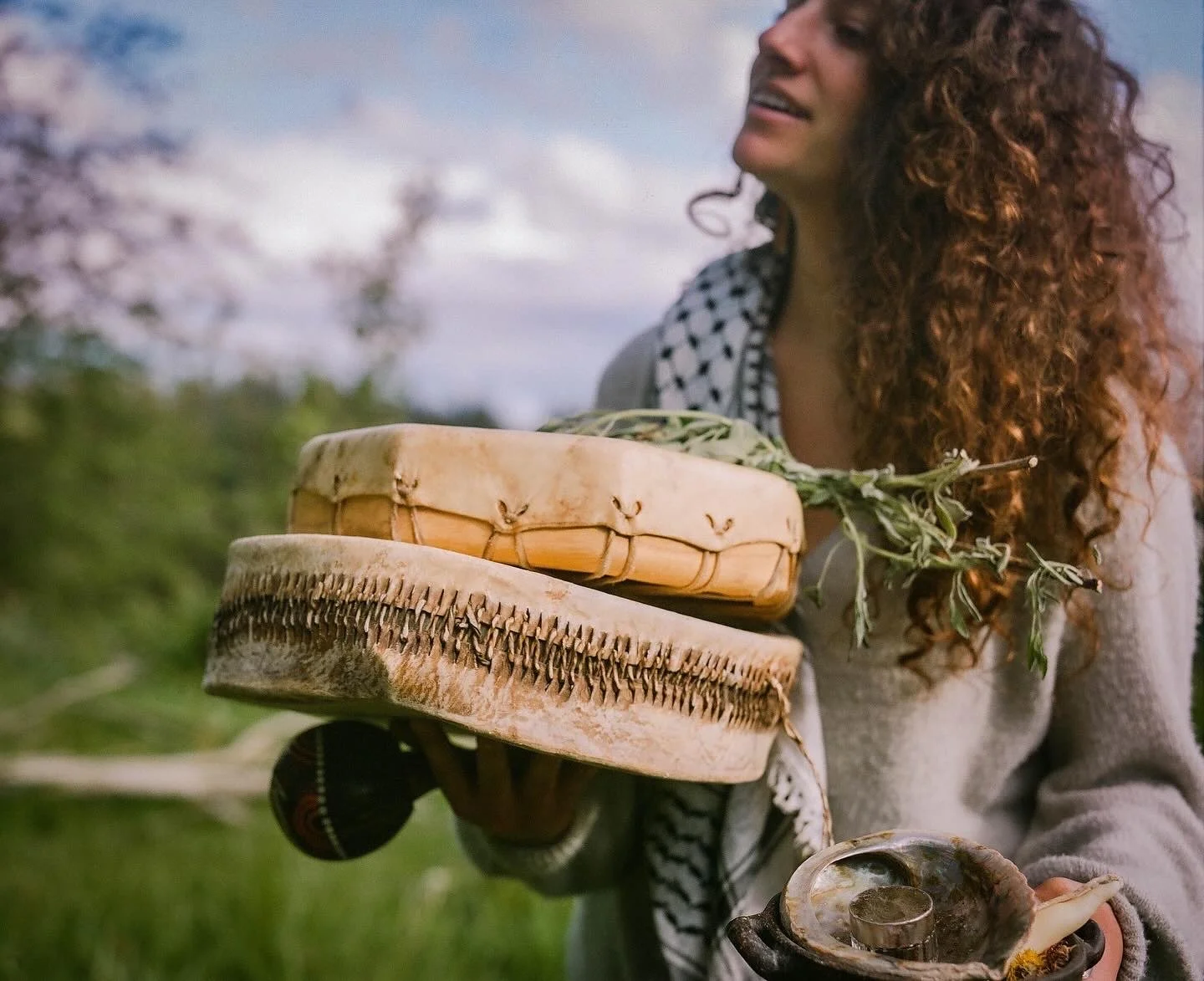
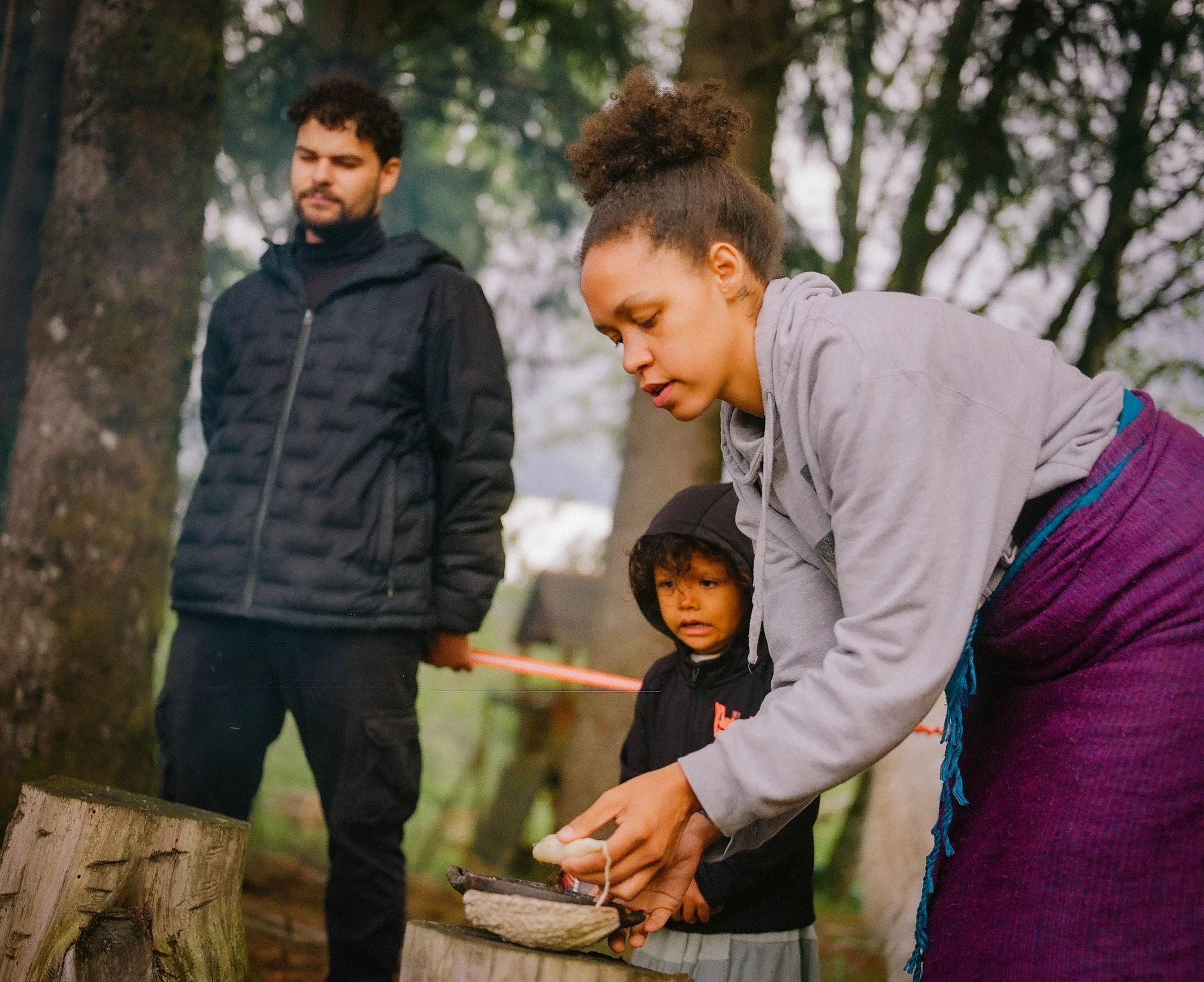
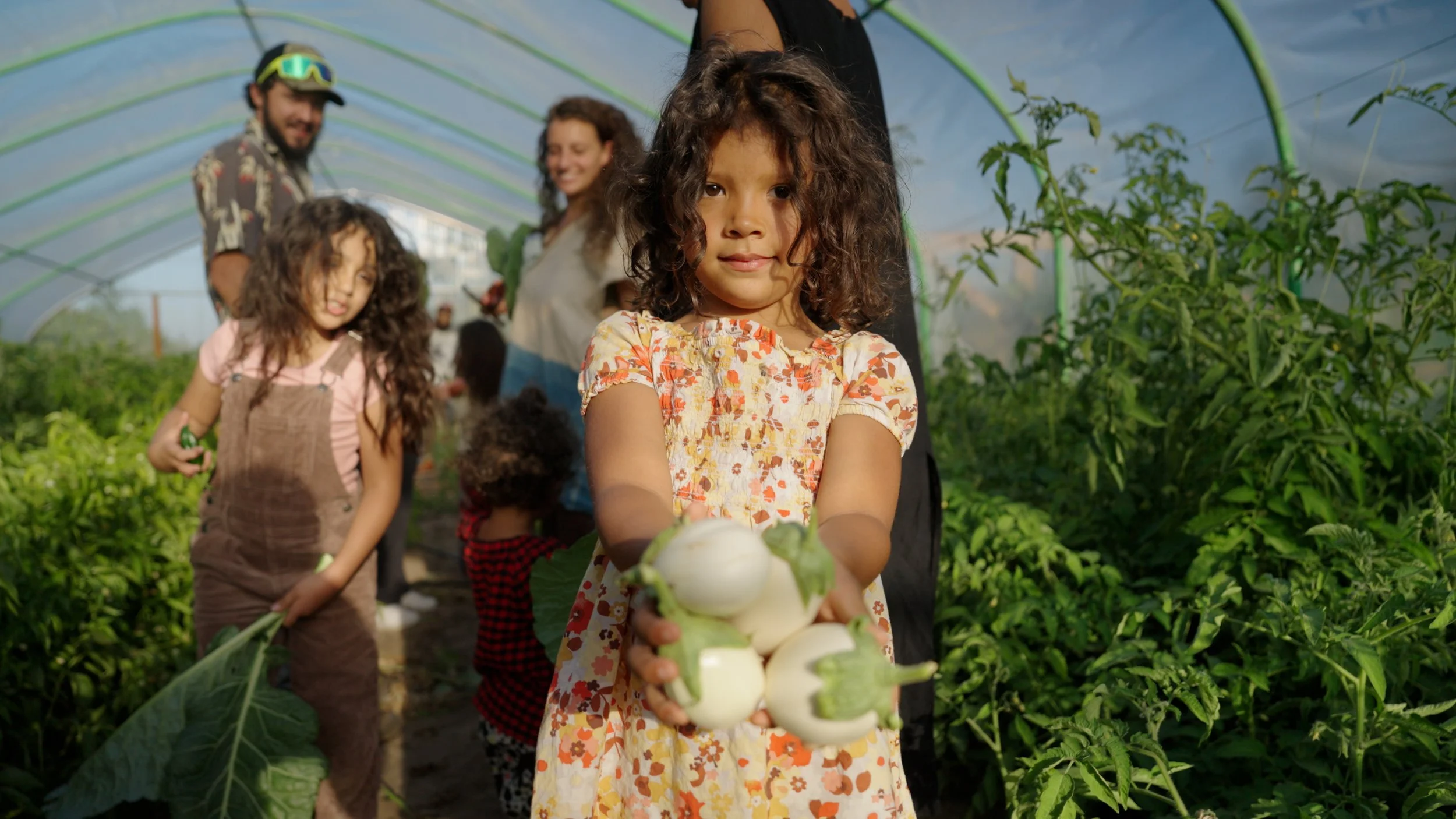
As members of the communities we serve, we work to create spaces where families can reconnect with land through farming, education, ceremony, and stewardship. We believe that when children grow up with soil in their hands and food on their tables that they helped grow, something powerful happens. A sense of belonging, responsibility, and possibility takes root.
BOLT is our labor of love.
It is a structure for land access, but it is also something deeper.
It is an act of imagination. Of responsibility. Of resilience.
A commitment to building the world we want our children to inherit. One where Black and Indigenous families can live, grow, and thrive on land for generations to come.
OUR ORIGIN

Ways to Donate